
Can Window Condensation Lead to Mold?
Published by Remtech Environmental Team · Last updated April 2025
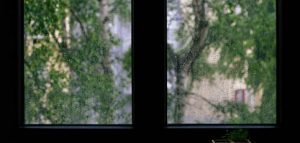
Issues related to indoor humidity and excess moisture are not limited to the summer months. Whether the weather is cold or warm, moisture in your home can lead to the development of mold. One place you might not expect mold to develop is around your windows and on your window sills. Window moisture and condensation is one of the most common contributors to mold development.
What Causes Window Moisture And Condensation?
Window condensation will often manifest during cold and/or foggy evenings or mornings. There are several common causes of window condensation:
- High Indoor Humidity: Ideal indoor relative humidity is around 40%. Higher humidity can lead to window moisture and condensation.
- Malfunctioning HVAC System: Your HVAC system regulates humidity as well as temperature. A failing heating and air conditioning system will contribute to excess moisture inside your home.
- Drafty or Failing Windows: Besides releasing as much as 25% of your home’s heating and air conditioning energy, drafty windows can allow moisture to invade your home. Signs your windows require repair or replacement: Difficulty regulating indoor temperature, cracked or damaged window panes, worn out weather seals and glazing, peeling caulking around windows, or moisture inside windows.
- Humidifiers: If you notice condensation collecting around windows and window sills where humidifiers are in use, it is important to dry excess moisture and occasionally turn off the humidifier itself.
What Results From Window Condensation?
Moisture and condensation may not seem like an immediate threat to your home’s integrity; however, it can lead to peeling paint and plaster, wood rot and water damage, and the development of harmful mold.
If the condensation is the result of failing windows, it could result in other issues including:
- Poor energy efficiency and higher energy bills.
- Repair or replacement of your HVAC system.
- Excess dust and dander in your home.
- Allergies and poor health for your family.
What Should Homeowners Do About Window Moisture And Mold?
If moisture is collecting on window sills, make sure you dry it thoroughly as soon as it develops. Once mold develops on your window sill, it can be difficult to remove. If you do see mold development, follow these steps:
Step 1: Assess the extent of the situation. If the mold is less than one square yard, you may be able to remove it yourself. For more about mold removal, read this (note: it is always best to call a professional to remove mold, as it can hide in places the untrained eye cannot see.)
Step 2: If it is possible, remove mold according to the steps laid out in the link above.
Step 3: If there is too much mold to remove yourself, contact a professional mold remediation company.
Step 4: Correct the source of the issue by repairing or replacing windows, HVAC system, or whatever is causing the excess moisture and condensation.
Step 5: Consider installing a whole-house dehumidification system to help further control humidity and moisture in your home.
Whenever moisture and mold develop in your home, we are here to help. For more information about mold remediation and removal, contact us.
That harmless-looking fog on your bedroom window is doing more than blocking your view of the yard. In North Carolina's humid climate, condensation on glass and window sills is one of the most reliable early warning signs of indoor moisture imbalance, and yes, it can absolutely lead to mold growth. The wood, paint, and gypsum surrounding your windows are all cellulose-rich materials that mold spores treat as a buffet once liquid water sits on them for more than 24 to 48 hours. Homeowners across Raleigh, Durham, and the wider Triangle frequently call us about black or green spotting along window frames after a single damp winter, and the underlying cause is almost always a humidity and temperature problem rather than a leak. Understanding the science behind condensation, recognizing the conditions that cause it, and acting before it becomes a remediation project can save you thousands of dollars and protect your indoor air quality.
The Science: Why Windows Sweat in the First Place
Condensation isn't random. It's a predictable physical reaction governed by relative humidity, temperature, and the dew point. Once you understand the mechanics, the prevention strategy becomes obvious.
Relative Humidity and the 50% Threshold
Relative humidity (RH) measures how much water vapor the air is currently holding compared to the maximum it can hold at a given temperature. The EPA and ASHRAE both recommend keeping indoor RH between 30% and 50% to prevent mold growth and dust mite proliferation. In North Carolina, summer outdoor humidity routinely exceeds 80%, and that moisture migrates indoors every time a door opens or HVAC supply air leaks through unsealed ductwork. When your interior RH climbs above 60%, condensation on cold surfaces becomes almost inevitable. A simple hygrometer, which costs around fifteen dollars at any hardware store, gives you the data you need. If your readings consistently exceed 55%, you have a moisture problem regardless of whether you can see it yet.
Dew Point: The Temperature Where Water Forms
The dew point is the temperature at which air becomes saturated and water vapor condenses into liquid. When the inside surface of your window glass drops below the dew point of the indoor air, condensation forms instantly. On a January night in Raleigh with outdoor temperatures around 25 degrees Fahrenheit and indoor RH at 50%, your single-pane window glass can easily reach 40 degrees, well below the dew point of around 55 degrees. The colder the glass, the more water collects. This is also why condensation often appears first in bedrooms, where breathing and lower thermostat settings combine to push humidity up while surface temperatures drop overnight.
Single-Pane vs. Double-Pane Windows
Single-pane windows in older Triangle homes built before 1980 have an R-value of roughly 0.9, meaning they barely insulate at all. Double-pane windows with low-E coatings and argon gas fills typically rate between R-3 and R-5, keeping the interior glass surface much warmer and far less likely to dip below the dew point. If your home still has original aluminum-frame single-pane windows, you are fighting physics every winter. Replacement is a significant investment, but interior storm windows or low-E film offer a middle path. Failed seals on double-pane windows, identified by fog trapped between the panes, eliminate that insulating advantage and require glass unit replacement.
Hidden Indoor Moisture Sources
A family of four generates roughly two to three gallons of water vapor every day through breathing, showering, cooking, dishwashing, and laundry. Without adequate ventilation, that moisture has nowhere to go. Bathroom exhaust fans must vent to the exterior rather than into an attic, and they should run for at least 20 minutes after every shower. Range hoods over gas stoves are even more critical because combustion produces water vapor as a byproduct. Houseplants, aquariums, firewood stored indoors, and unvented clothes dryers all contribute. We have inspected homes where simply rerouting a dryer vent eliminated chronic window condensation within a week.
HVAC Performance and Air Sealing
Your HVAC system is the primary mechanical control for indoor humidity. An oversized air conditioner cools the air too quickly without running long enough to remove moisture, leaving the home cold and clammy. An undersized or aging system cannot keep up at all. Heat pumps, common across central North Carolina, struggle with humidity control during shoulder seasons when temperatures swing between heating and cooling demand. Add a leaky thermal envelope, where outdoor humid air infiltrates through can lights, attic hatches, and rim joists, and you have a recipe for chronic condensation. A blower door test and duct leakage assessment from a BPI-certified contractor can identify the worst offenders.
From Condensation to Colony: How Mold Establishes Around Windows
Mold spores are present in every home and every outdoor environment in North Carolina. They are biologically inert until they find the four conditions they need to germinate: moisture, a food source, oxygen, and a temperature between 40 and 100 degrees Fahrenheit. Window sills supply all four. The wood or MDF sill provides cellulose, the paint or caulk traps moisture, and the temperature inside your home is always within the viable range. Once liquid water from condensation pools at the sill-to-frame joint and remains there for more than 24 hours, dormant Cladosporium and Penicillium spores can begin germinating. Within a week, you will see the first visible black or dark green spotting along the bottom edge of the sill or in the corner where the sash meets the frame. By the time most homeowners notice the discoloration, the colony has already extended into the substrate. Wiping the surface with a household cleaner removes the visible growth but leaves the hyphae intact within the porous material, and the mold returns within days. We frequently open up window aprons and trim during inspection and discover mold that has migrated several inches into the wall cavity, fed by repeated condensation cycles over multiple winters. At that point, surface cleaning is not enough. The affected materials must be removed, the cavity dried below 16% wood moisture content, and the underlying cause corrected before any reconstruction takes place. This is why early intervention matters so much.
A Practical Prevention Plan for North Carolina Homes
Start by buying a digital hygrometer and placing it in the room where you see condensation most often, typically a bedroom or bathroom. Track readings morning and night for a week. If RH exceeds 50% consistently, your first move is mechanical: run bath fans longer, vent the dryer outside, and consider a whole-home dehumidifier integrated with your HVAC return. Standalone units in basements and crawl spaces are equally effective for homes with chronic moisture in those zones. Next, address the cold-surface side of the equation. Open blinds and curtains during the day so warm interior air can wash across the glass and keep surface temperatures up. At night, ceiling fans set to low can prevent stagnant cold air from pooling against windows. If you have failed double-pane seals or original single-pane glass, get quotes for replacement, and prioritize bedrooms and bathrooms first because those rooms generate the most vapor. Reseal exterior caulk around window frames every three to five years to prevent humid outdoor air from infiltrating the wall cavity. Finally, if you already see staining or growth, do not paint over it. Painting traps the colony, accelerates substrate decay, and makes the eventual remediation more expensive. Have it tested and documented before you do anything else.
Get Help in NC
Remtech Environmental serves homeowners and property managers across Raleigh, Durham, Cary, Chapel Hill, and the broader Triangle region with IICRC-certified mold inspection and remediation. If you are seeing condensation that returns no matter how often you wipe it down, or if you have already noticed staining around window frames, schedule a moisture assessment before the problem expands into the wall cavity. Our team uses thermal imaging and moisture meters to map hidden water intrusion, then designs a remediation and prevention plan tailored to your home's age, construction, and HVAC configuration. We also coordinate with window contractors and HVAC professionals when systemic upgrades are part of the long-term fix. Call us or request a free consultation through our website to get started.
Key Takeaways
- Indoor relative humidity above 50% combined with cold window surfaces produces condensation that feeds mold growth.
- Single-pane windows in pre-1980 NC homes are the highest-risk substrate because the glass routinely drops below the dew point.
- A family of four generates two to three gallons of water vapor daily; without ventilation, that moisture lands on the coldest surface in the room.
- Mold can establish on a window sill within 24 to 48 hours of standing water and may migrate into wall cavities undetected.
- Hygrometers, dehumidifiers, exhaust fan upgrades, and prompt drying are the four most effective prevention tools.
Need Help with Environmental Services?
If you have concerns about mold, asbestos, or water damage in your property, contact Remtech Environmental today for a free consultation.
Get a Free Quote