
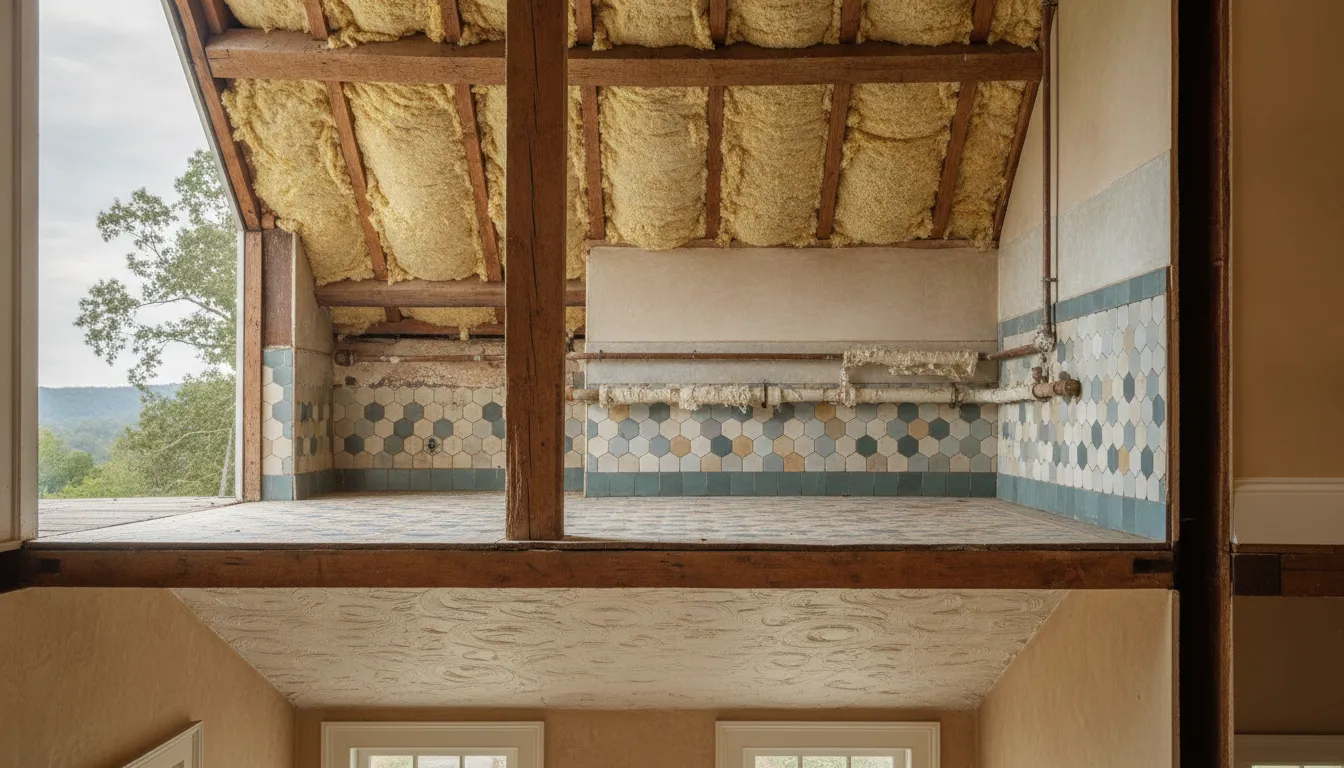
Older North Carolina homes often contain hidden asbestos in building parts like floors and insulation. This silent hazard is more common than many owners think.
Where is asbestos found in homes is the first thing to learn before starting a home repair, since many building parts made before 1990 used this harmful mineral. You may find it in attic insulation, vinyl floor tiles, roof shingles, and siding, as well as in pipe wrap, ceiling textures, and old wall joint compounds. While these items are safe if left alone, any damage can release tiny fibers into the air that cause serious lung illness over time if you breathe them. According to the Environmental Protection Agency, you should always have an expert check your home before starting work, as common sources include attic insulation and vinyl flooring.
Get a free asbestos quote from Remtech Environmental.
It can be unsettling to think about hidden risks in your house. This guide explains where suspect materials may be located, when they pose a concern, and how professional testing provides a clear answer.
Where is asbestos found in homes most often?
Most people know that older homes may have asbestos. But many do not know exactly where to look for it. In North Carolina homes built before the mid-1980s, asbestos was a common part of many building products. It was used because it resists heat and fire very well. You can find these items in almost every room, from the attic to the basement.
Insulation and attics
The attic is a common spot to find this mineral. Many homes have vermiculite attic insulation that may contain asbestos. This material looks like small, pebble-like pieces that are often gray or brown. You should not move or touch it if you find it. Even a small move can send fibers into the air you breathe.
You may also find it in walls or around light fixtures. It was often used as a fire block or as loose-fill insulation. Check for common household asbestos spots before any repair work. Testing is the only way to be sure if a material is safe.
Floor tiles and ceilings
Vinyl floor tiles and the glue used to hold them often have asbestos. These tiles were popular in kitchens and baths for many years. You might see them as small squares. If they are in good shape, they are usually safe. But if they crack or break, they can release fibers. Do not sand or scrape them when you fix your floors.
Ceilings are another place to check. Textured coatings, such as popcorn ceilings, often used asbestos to resist fire. These coatings are soft and easy to damage. If you want to remove one, you must have it tested first. You can learn when to call a pro for asbestos removal if you find damaged areas.
Pipes and HVAC systems
In older homes, pipe insulation often used asbestos to keep heat in. This wrap looks like white paper or thick gray felt on metal. It is common on steam pipes in basements. If the wrap is torn or fraying, it is a safety risk.
HVAC systems may also have it. It was used in duct tape and furnace seals. These parts help seal the system so air does not leak out. Since air flows here, loose fibers can spread fast. Have a pro check these systems before you make any changes.
You cannot see asbestos with just your eyes. It has no smell and no taste. The age of your home is a good hint, but it is not proof. Testing is the only way to know for sure. If you suspect a risk, leave it alone until a pro can help.
Insulation, pipes, and heating systems
For many North Carolina homeowners, where is asbestos found in homes often starts with a look at the heating and cooling systems. Older homes used this mineral for its fire-resistant and durable traits. It was a common choice for keeping heat inside pipes and furnaces. If your home was built before the mid-1980s, these systems may still have materials that contain asbestos fibers.
Attic and wall insulation
One of the most frequent places to find asbestos is in attic insulation. Specifically, vermiculite attic insulation found in many homes built before 1990 may contain asbestos. This material looks like small, pebble-like grains. It can easily release tiny fibers into the air if you move it. According to the EPA, there is no known safe level of asbestos exposure. You should never try to sample or move this insulation yourself.
Some homes also used certain spray-applied insulation on walls and ceilings. Like vermiculite, this material can become brittle over time. When it breaks down, it creates dust that is dangerous to breathe. If you see loose or flaky insulation in your attic or walls, it is best to leave it alone and call a pro.
Pipes and boiler systems
Asbestos was commonly used in pipe insulation to provide thermal protection in older houses. You might see it as a white, chalky wrap or a thick, corrugated paper around hot water pipes. Boilers and furnaces also used asbestos-containing blankets and gaskets to seal heat. These materials are often in the basement or crawl space where they can get wet or damaged.
If the wrap on a pipe is torn or frayed, it can shed fibers. You can learn more about common household asbestos locations to help find these risks. Even if the material looks solid, age can make it soft. Avoid touching any white or grey wrap on your plumbing until it has been tested by a lab.
HVAC duct tape and insulation
Your heating, ventilation, and air conditioning (HVAC) system might also hold risks. Asbestos was often used in the silver or white tape that seals duct joints. It was also used as a liner inside the ducts to deaden sound and keep air warm. Over years of use, the air blowing through the system can pull loose fibers from these liners into your living areas.
Because you cannot identify asbestos by sight, you must use when to call a professional for asbestos removal as your guide. If you plan to renovate your HVAC system or clean your ducts, get a test first. A certified team can check the tape and liners without putting your family at risk. Remtech Environmental helps people across North Carolina find and fix these hidden hazards safely.
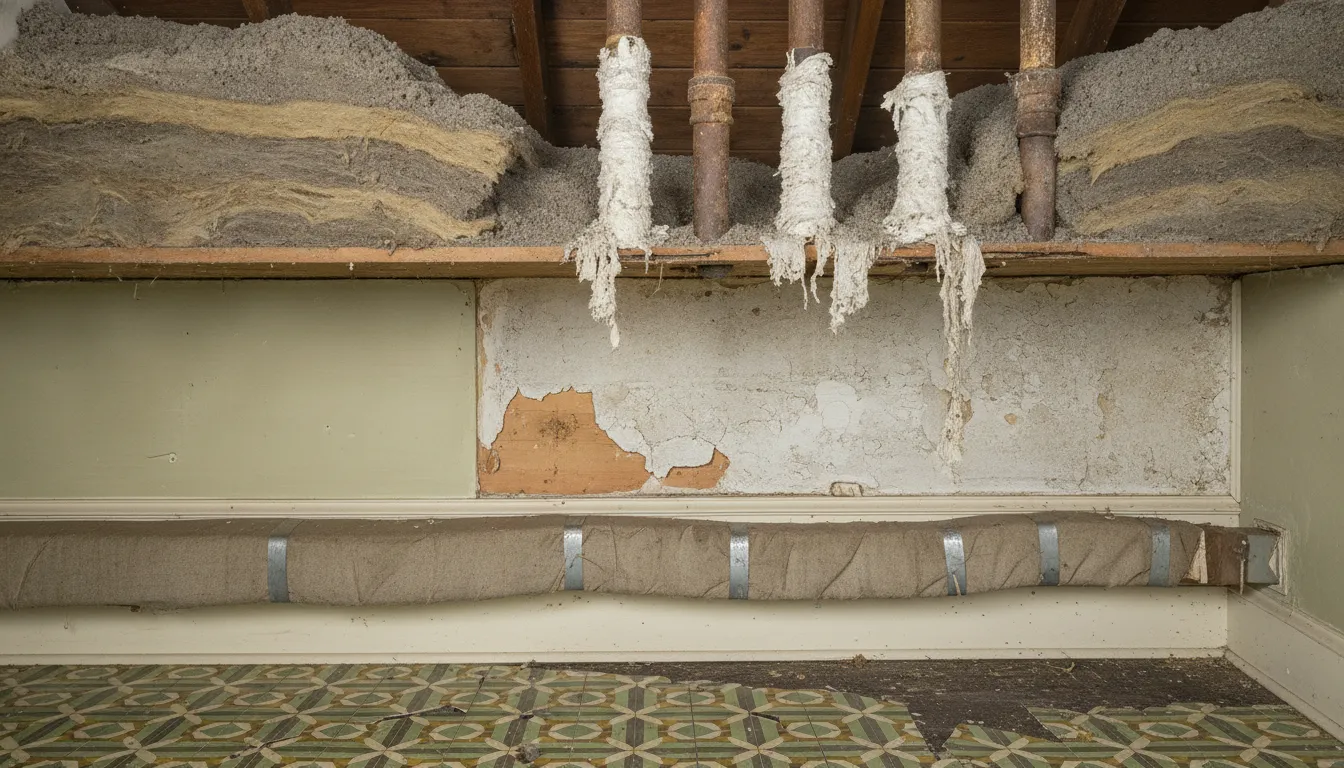
Suspect materials can appear throughout an older home, but only laboratory testing can confirm asbestos.
Flooring, ceilings, and walls that may contain asbestos
Many older interior finishes were made for strength, heat resistance, or long wear. Asbestos was sometimes added to these products. A material's age, size, color, or texture may raise a question, but none of those details can confirm what it contains.
Floor tiles, sheet flooring, and adhesive
Older vinyl floor tiles, the backing on sheet flooring, and flooring adhesives may contain asbestos. Black adhesive, often called mastic, is one material that may need testing before a floor project begins. Suspect flooring may be hidden under newer tile, carpet, or laminate.
Do not sand, scrape, grind, drill, or break old flooring to inspect it. Those actions can damage the material and create dust. If a renovation will affect the floor, a professional assessment can identify which layers need samples and laboratory analysis.
Textured ceilings and ceiling tiles
Popcorn ceilings, textured coatings, and some ceiling tiles may contain asbestos. The coating can look much like an asbestos-free product, so visual checks are not reliable. Even a ceiling that appears sound may be affected by scraping, drilling, or demolition.
Before removing a textured finish or cutting a ceiling for new lights, pause and arrange testing. A small, controlled sample collected by a trained professional is safer and more useful than a do-it-yourself test from a random spot.
Plaster, drywall, and joint compound
Asbestos may also be present in plaster and the joint compound used at drywall seams. These materials are easy to overlook because they form part of an ordinary wall or ceiling system. Renovation work can affect several layers at once.
| Material. | Project that may disturb it. | Safer next step. |
|---|---|---|
| Vinyl flooring or adhesive. | Sanding, scraping, or removing floor layers. | Test the affected layers before work. |
| Textured ceiling coating. | Scraping, drilling, or adding fixtures. | Have the coating assessed first. |
| Plaster or joint compound. | Cutting walls or full demolition. | Define the work area and arrange sampling. |
If your project may affect these materials, Remtech can help you plan the right next step through its asbestos removal services. Testing first helps avoid needless work while giving the project team clear facts.
Exterior materials and less-obvious locations
Many homeowners search for hidden risks inside their walls and floors. But you should also look outside to find where is asbestos found in homes. Old building parts often used these fibers to fight heat and rain. While these items are tough, they can still break down as the years go by.
Roofing and siding shingles
Asbestos was a top choice for outside products because it resists fire. Homes built before the mid-1980s often have roofing and siding shingles made with these fibers. These parts are usually safe if they stay in one piece. But wind, rain, and hail can wear them down. This wear can release tiny fibers into the air around your yard.
You may also find these fibers in the felt paper under your roof. Old roof glues and coatings often used asbestos as a binder. If you plan to replace your roof, check for these common household asbestos locations first. Tearing off old layers can create a lot of dust that is hard to clean up.
Asbestos in cement siding
Cement siding, at times called transite, was a common choice for homes for a long time. It is very hard and often looks like wood grain. Many of these boards have high levels of asbestos to help them last. While they do not rot, they can get brittle as they age. Avoid power washing or sanding these walls, as these acts can crush the fibers.
If you see cracks or breaks in your siding, it is best to talk to an expert. You can learn about asbestos care and removal to decide on your next steps. At times, you can seal the parts with paint or new siding. Other times, the safest path is to have a trained crew remove them for you.
Chimneys and utility spots
Less-obvious spots include the items around your hearth and chimney. Old chimney pipes may have asbestos liners to handle high heat. You might also find it in the brick mortar or the heat shields behind wood stoves. These areas are easy to miss during a quick walk-through of the home.
Utility spots like sheds or carports often used cheap, fire-proof panels made with asbestos. Even old garden fences or pipes for drain lines could have it. If you find strange, gray panels in your backyard sheds, treat them with care. Never cut or drill into them until you know what they are. Knowing when to call an expert for asbestos removal helps you keep your family safe from these hidden risks.
Can you identify asbestos by looking at it?
The short answer is no. You cannot tell if a product has asbestos just by looking at it. This mineral is made of very small fibers that are far too tiny to see. In many cases, it was mixed into other things like cement or glue. This makes it very hard to find without a lab test. You might think a floor tile or a wall looks safe, but the hazard hides inside the item itself.
Why a visual check is not enough
Asbestos fibers are microscopic. They are so small that they can float in the air. They can get stuck in your lungs without you knowing it. The Agency for Toxic Substances and Disease Registry says these tiny fibers can cause health issues. Since you cannot see them, do not assume a part is safe just because it looks like wood or tile. Even a fresh coat of paint might hide the risk without removing it.
Testing by a pro is the only way to be sure. A trained expert will take a small sample and look at it under a special lens. They look for the shape and size of the fibers to find the truth. If you plan a home fix, you should know when to call a professional for asbestos removal first. Taking this step helps keep your home safe for everyone. It prevents you from spreading fibers through your whole house by mistake.
Intact versus damaged materials
The shape of the item matters a lot. If a product is in good shape and you do not touch it, the risk is very low. Experts say it is often safer to leave the item alone. This is true if the part is solid and has no cracks. If the product is not crumbling, it usually keeps the fibers trapped inside.
The danger grows when the item gets damaged or wears down. Scratches, water leaks, or age can cause the fibers to break loose. Once these fibers are in the air, they are a big health risk. Check your home often for signs of wear, but do not touch the items yourself. Even a small chip in a tile can release fibers. If you find a problem, ask an expert about asbestos management and removal. They can tell you if it needs to go or if it can stay.
Identifying where asbestos is found in homes
You cannot see the fibers, but you can look for things that might have them. Knowing where is asbestos found in homes can help you stay safe. Houses built before the mid-1980s often have these hazards. Many builders used this mineral because it was strong and fire-safe. It was a common choice for many years in North Carolina and across the country. You can find it in many parts of an old house. Check these common spots:
- Vinyl floor tiles and the glue used to hold them down. These are often in kitchens and basements.
- Popcorn ceiling coatings and old plaster walls. These were very popular for decades.
- Roof shingles and siding on the outside of the home. These items are tough and last a long time.
- Grey or white tape on HVAC ducts and pipe wrap. This helped keep heat in the pipes.
- Attic insulation that looks like small brown or gold pebbles. This is often vermiculite insulation.
If you see these items, stay calm but be careful. Do not sand, scrape, or cut into them. If you need to make a change, call a pro first. They have the tools and training to handle the job without putting you at risk. This is the best way to handle any suspect item in your home.
What should you do before renovating an older home?
Renovating an older home is a great way to update your living space. But if your house was built before the mid-1980s, you must take care before you start any work. Many building materials from that era used mineral fibers to add strength and fire resistance. These fibers are now known to cause health problems if they get into the air. You need to know where is asbestos found in homes to avoid disturbing these dangerous materials during your project.
Pause and protect your health
The first rule of any home project in an older house is to stop before you strike. Asbestos is a known human carcinogen that can lead to serious lung diseases. When you cut, sand, or pull down old materials, you might release tiny fibers. These fibers can stay in the air for a long time and get stuck in your lungs. This is why a cautious approach is the best way to keep your family safe.
Knowing common household asbestos locations is vital for your safety. You might find it in floor tiles, attic insulation, or even your roof. If these materials stay in good shape, they are usually not a risk. But a renovation project changes that. Once you break these items, the risk of breathing in fibers goes up.
Arrange for an expert check
You cannot tell if a material has asbestos just by looking at it. Even expert builders need lab tests to be sure. An expert can find hidden risks that a home owner might miss. They will look at the age of your home and the parts you plan to remove. This check is the only way to know for sure if your project is safe to move forward. It also helps you stay in line with rules for home work.
Follow a clear safety plan
Before you pick up a hammer, follow these steps to manage the risks in your home:
- Stop all work in the project area. If you find something that looks like old insulation or brittle floor tiles, do not touch it. Keeping the material whole is the best way to prevent fiber release.
- Identify every area you plan to change. Make a list of all materials that will be disturbed, such as drywall or popcorn ceilings. Knowing the scope of your project helps the expert focus on the right spots.
- Get an expert check. Hire a certified expert to walk through your home and take samples for testing. According to the Environmental Protection Agency (EPA), you should never try to take these samples yourself.
- Review your lab results carefully. The lab will tell you if asbestos is present and how much is there. Your expert will explain what these numbers mean for your health and your project timeline.
- Hire an expert removal team. Do not attempt a DIY fix. A professional team like Remtech Environmental has the right gear to remove the hazard without putting your home at risk.
Once you have a clean bill of health or a finished removal, you can finish your home updates with peace of mind. Taking these steps might seem like a delay, but it ensures your new space is truly safe for your family. If you are ready to start your next project, reach out to our team to get a free consultation. We help North Carolina homeowners do the right work the right way.
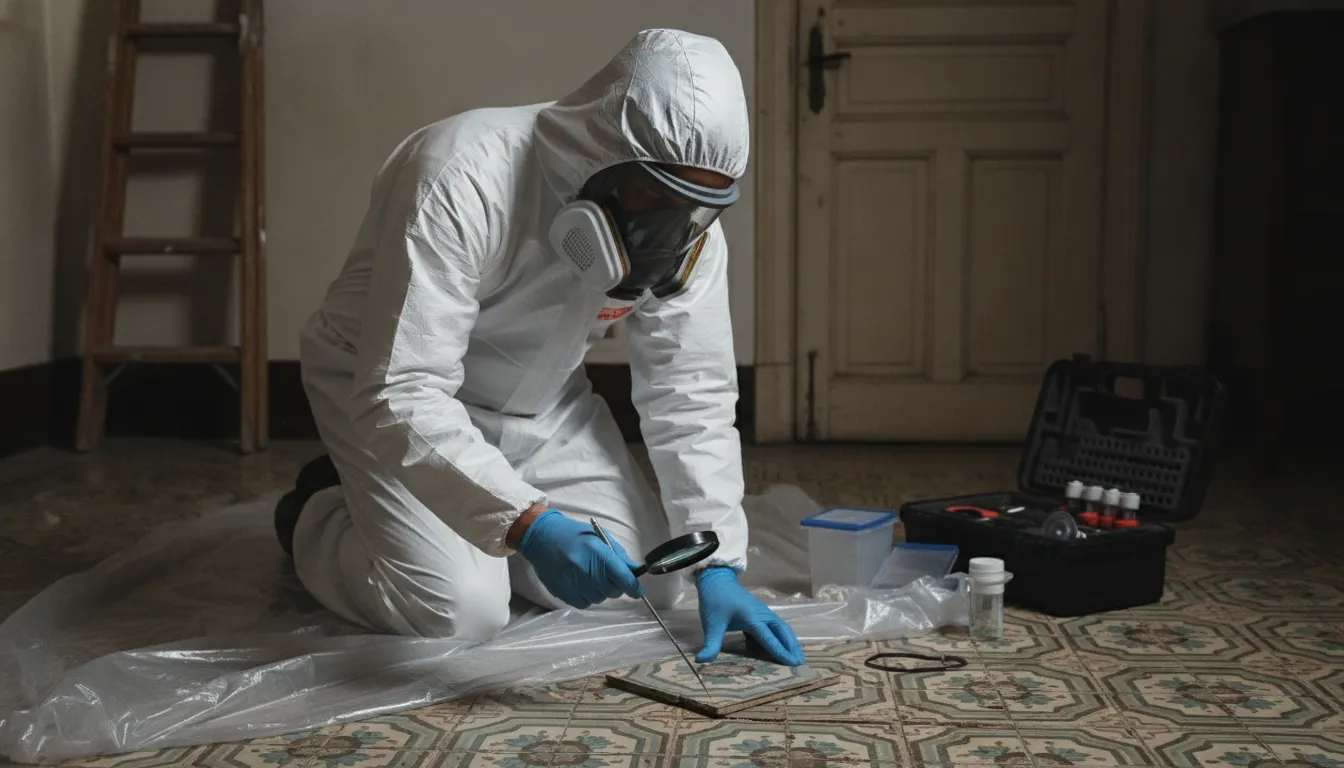
A professional assessment defines what needs testing before renovation or removal begins.
How professional asbestos assessment and abatement work
Expert asbestos work follows a strict set of rules to keep you and your family safe. You should not try to test or remove these items on your own. Owners often ask where is asbestos found in homes before they start a remodel. Since you cannot see the fibers with your eyes, you must hire a trained pro to find them. These pros follow a clear path to find, seal, and remove the risk.
Initial inspection and lab testing
The work starts with a full check of your home. A trained pro will look at parts that likely have asbestos. This includes things like old floor tiles, pipe wrap, and attic fill. They will take small bits of these items in a safe way. They must not release any dust or fibers into the air during this step. This careful look is the only way to know the true scope of the project.
Once they have the samples, they send them to a lab for tests. This is the only way to know for sure if a part is a risk. According to the Consumer Product Safety Commission, you should leave items alone if they are in good shape. But if you plan to move walls or scrape ceilings, you need a clear answer from a lab first. This step helps you know when to call a professional for asbestos removal before any dust starts to fly.
The seal and safe removal
If the lab finds asbestos, the next step is to build a safe work zone. This is called a seal. The team uses thick plastic sheets and tape to block off the area. They also use special air machines with HEPA filters. These machines create low air pressure inside the zone. This keeps any stray fibers from leaking into the rest of your home while the team works.
Workers wear full suits and masks with filters while they work. They wet down the items before they move them. Wetting the items stops fibers from floating in the air. They then place the waste in sealed, labeled bags for travel. The Environmental Protection Agency has strict rules for how to handle and get rid of this waste. This careful work protects the people in the home and the local land in North Carolina.
Final cleaning and air checks
After the parts are gone, the team must clean the whole work zone. They use wet mops and special HEPA vacuums to catch every bit of dust. They do not use standard home vacuums because those can spread the fibers. This cleaning step is vital for making the space safe for you to use again. Every surface is wiped down to ensure no dust remains in the area.
The last step is a final air test. A pro takes air samples from the work zone to check for any leftover fibers. The area stays sealed until the lab results show the air is clean. This gives you peace of mind that the job was done the right way. At Remtech Environmental, we serve neighbors across the state from our offices in Raleigh, Asheville, and Morehead City. Get a Free Quote Today to start your project with a team that puts your safety first.
Frequently Asked Questions
Is asbestos found in vinyl floor tiles and adhesives?
Yes, many vinyl floor tiles and the glue used to hold them down contain asbestos. This was common in homes built before 1985. According to the EPA, these materials were used because they were strong and resisted fire. If your floors are in good shape, they are usually safe. However, you should never sand or scrape them. Doing so can release tiny fibers that are a major health risk for your family.
When does asbestos become a health hazard in a home?
Asbestos is a health hazard when it is crushed, cut, or damaged. This causes tiny fibers to float in the air. When you breathe them in, they can get stuck in your lungs. According to the ATSDR, this can lead to serious sickness many years later. As long as the items stay in good shape and are left alone, they usually do not pose a risk. You should check them often for signs of wear.
Can you paint over asbestos items to make them safe?
You can paint over some asbestos items, but this is only a short-term fix. Painting can seal the fibers and stop them from getting into the air for a while. However, the hazard is still there under the paint. According to the CPSC, the material can still be disturbed during home fixes or if the paint peels. It is always best to have a trained pro check the item before you decide how to manage it.
Where is asbestos commonly found in the attic?
In the attic, asbestos is often found in vermiculite insulation. This material looks like small brown or gold pebbles. According to the EPA, many homes built before 1990 have this type of fill. It is a high risk because it can easily release fibers if you move it or store boxes on it. You may also find it on pipe wrap or HVAC tape. You should never go into an attic with vermiculite without a mask and a pro's help.
Do you need a free asbestos quote for your older home?
If you plan to fix up an older North Carolina home, missing the risk of asbestos can lead to high health risks for your family. This can also cause costly project delays if the small parts of the items get loose in the air while you work on the house. Finding these items now lets you set a safe budget and request a clear plan on your own terms before a sudden home asbestos crisis.
Ready to get a free quote? Request a free quote from our local experts in North Carolina to start your project safely and with the right plan for your whole family and your home.