
Mold Removal vs. Remediation: Key Differences
Published by Remtech Environmental Team · Last updated June 25, 2026
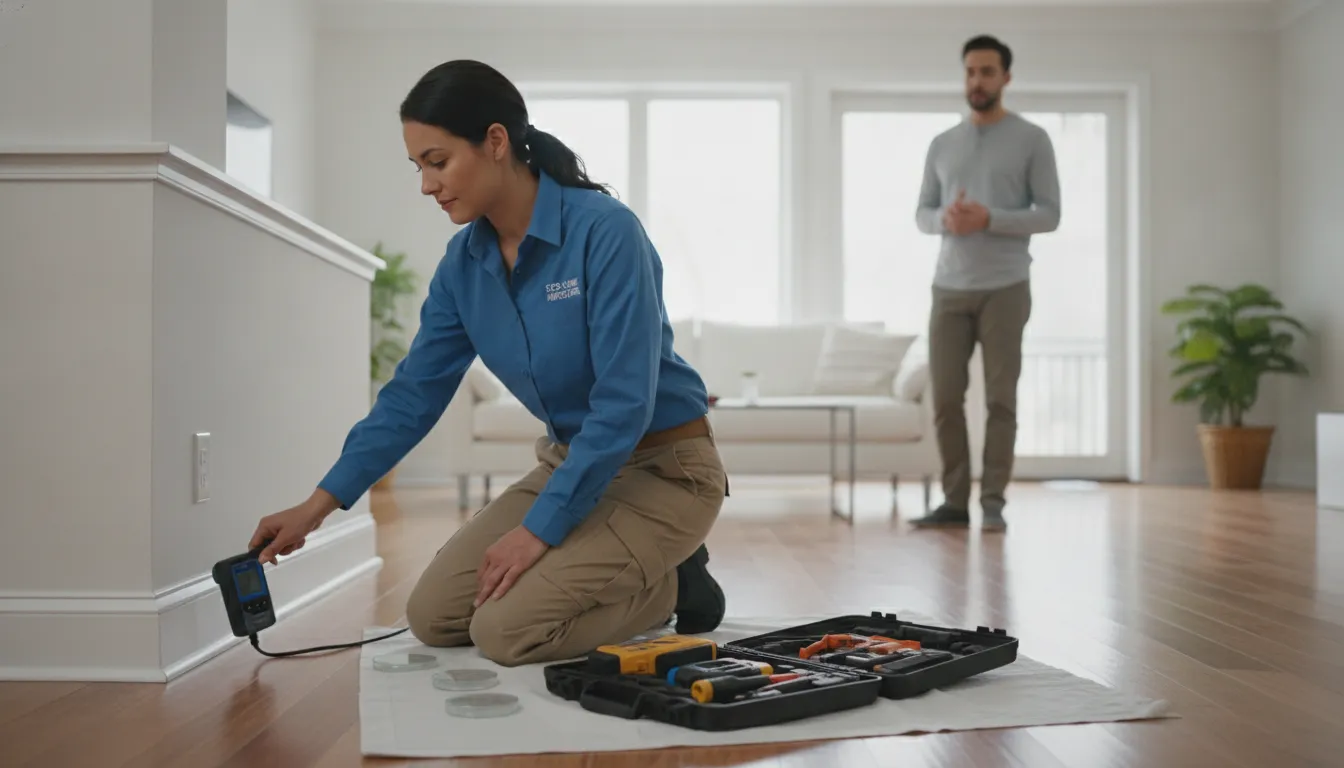
<p>Visible fungus in your home usually signals a deep moisture problem that needs more than a sponge. Understanding the distinction between a quick fix and a permanent solution is the first step to a healthy house.</p><p><strong><a href="https://remtechenvironmental.com/contact/">Get a Free Quote Today from Remtech Environmental</a></strong></p><figure><img alt="Remediation technician using a moisture meter during a North Carolina mold inspection" src="https://zleague-public-prod.s3.us-east-2.amazonaws.com/article_images/1ecba76b-ce93-41cf-900b-21b5bb87d3db/inline-mold-inspection-997927.webp"></figure><div class="answer-capsule"><p>Mold removal is the physical act of cleaning or stripping away visible fungus from surfaces like your bathroom walls, attic studs, and basement floors. Many homeowners use this term for a full cleanup, but it is just one part of a larger professional process that goes beyond simple scrubbing. True remediation is a plan that includes testing for spores and blocking off rooms with air locks to keep the rest of your home safe. Expert teams also find and fix the moisture leak so the fungus stays away for good and does not return to your living space. Following the <a href="https://www.epa.gov/mold/mold-cleanup-your-home" rel="nofollow" target="_blank">Environmental Protection Agency</a>, crews use HEPA filters and air scrubbers to catch tiny dust that a normal vacuum would miss.</p></div><p>While these terms seem similar, knowing how they differ can save you from a failed home restoration project. Understanding the key difference between mold removal and mold remediation helps you choose the right path for your property.</p><h2>Mold removal vs. mold remediation: the key difference</h2><p class="answer-capsule">Mold removal cleans visible growth, while mold remediation addresses contamination, damaged materials, and the moisture source to reduce recurrence.</p><p>Many people use the terms mold removal and mold remediation as if they are the same thing. But in the world of home health, they have different meanings. Picking the right path can mean the difference between a quick fix and a real solution for your home.</p><h3>Understanding mold removal</h3><p>In the simplest terms, mold removal means cleaning visible mold from a surface. It is often a surface-level task. For example, you might use a cleaner to wipe mold off a bathroom tile or a wall. While this makes the area look better, it does not always solve the root problem. Mold spores are tiny and can live deep inside porous items like wood or drywall.</p><p>Per the <a href="https://www.epa.gov/mold/mold-cleanup-your-home" rel="nofollow" target="_blank">EPA</a>, you can often handle mold cleanup yourself if the area is less than 10 square feet. However, just removing the growth you see does not stop new mold from coming back. If the source of moisture is still there, the mold will likely return within days. Real mold removal needs more than just a scrub brush and a bottle of bleach. It requires finding where the water is coming from and stopping it.</p><h3>Why mold remediation is the solution</h3><p>Mold remediation is a much more comprehensive process. It focuses on finding the cause of the mold and making sure it stays gone. This work involves tests, sealing the area to stop spores from spreading, and deep cleaning. It also includes taking out items like carpet or insulation that are too far gone to save. The goal is to return mold levels to a safe, natural state rather than trying to kill every single spore.</p><p>It is important to know that you cannot fully remove all mold spores from a home. Mold exists everywhere in the air, both indoors and out. A professional mold removal process manages these levels by fixing the water issues that help mold grow. Keeping indoor humidity low is a key part of this work. The EPA suggests keeping indoor air below 60% relative humidity to prevent new growth.</p><h3>Managing moisture and damaged items</h3><p>Remediation is the industry standard because it looks at the whole building. While removal is one part of the job, remediation is the full plan. It ensures that the air you breathe is safe and that your home stays strong. Using <a href="https://remtechenvironmental.com/the-dos-and-donts-of-mold-removal/">safe mold removal steps</a> starts with finding the water source first. Without this step, any cleaning work is only a short-term fix that masks a deeper issue.</p><p>When mold gets into porous things like drywall, it can grow deep within the fibers. In these cases, cleaning the surface is not enough. The moldy items must be removed and replaced to ensure the home is safe. Expert teams use tools like moisture meters and thermal cameras to find hidden leaks behind walls. By focusing on the whole property, you solve the problem for good and save money on future repairs.</p><table><thead><tr><th scope="col">Feature</th><th scope="col">Mold Removal</th><th scope="col">Mold Remediation</th></tr></thead><tbody><tr><td>Main Goal</td><td>Clean visible mold</td><td>Fix the mold source</td></tr><tr><td>Scope</td><td>Surface cleaning</td><td>Full property cleanup</td></tr><tr><td>Equipment</td><td>Household tools</td><td>HEPA vacuums and scrubbers</td></tr><tr><td>Duration</td><td>Quick and short-term</td><td>Long-term safety</td></tr><tr><td>Moisture Control</td><td>Not always a focus</td><td>Core part of the plan</td></tr></tbody></table><p>The best way to protect your home is to treat mold as a symptom of a water issue. By dealing with the moisture first, you cut off the life source of the mold. Professional teams use air scrubbers to clean the air while they work on the surfaces. This ensures that spores do not drift into other rooms. This total care is what sets remediation apart from a simple cleaning job.</p><h2>When is DIY mold removal appropriate?</h2><p class="answer-capsule">DIY cleanup may be appropriate for a small area on a hard surface when you can safely fix the moisture source and dry the area completely.</p><p>Most homeowners want to save money when they find mold. In some cases, you can handle the work on your own without high costs. The key is to know the size of the issue and the type of material affected. You should follow safe mold removal practices to protect your health and your home. If the mold is small and easy to reach, you may be able to clean it with simple tools and soap.</p><h3>Small areas of growth</h3><p>The <a href="https://www.epa.gov/mold/mold-cleanup-your-home" rel="nofollow" target="_blank">Environmental Protection Agency (EPA)</a> says you can often clean mold if the area is less than 10 square feet. This is about a three-foot by three-foot patch. For example, a small spot of mildew on a shower curtain or a tiny patch on a bathroom wall is a DIY job. You can usually scrub these hard surfaces with water and a mild soap. Make sure to dry the area well after you clean it to stop the mold from coming back.</p><p>Small jobs still need care. You should wear a mask and gloves to avoid breathing in spores. If the mold is on a soft surface like drywall or ceiling tiles, it may be harder to fix. These items often need to be cut out and replaced rather than just scrubbed. If you find a leak, fix it first. Mold needs moisture to grow, so stopping the water source is the first step in any professional mold removal process or DIY plan.</p><h3>Hard versus soft items</h3><p>The type of material where mold grows matters a lot. Hard surfaces like tile, glass, and metal are easy to clean. Mold sits on top of these items and does not sink in deep. You can wipe these surfaces clean and they will be fine. But soft materials are like a sponge. Mold can grow deep inside wood or fabric. If mold is in your carpet or insulation, you usually have to throw those items away.</p><p>Drywall is also hard to fix. If the mold is just on the paint, you might be able to clean it. But if the mold has gone into the paper or the core of the drywall, it is best to remove that section. You should also check the area behind the wall for more growth. For larger spots or hidden issues, you may need to call for <a href="https://remtechenvironmental.com/mold-removal-raleigh-nc/">mold removal in Raleigh and throughout North Carolina</a> to get a full check of the damage.</p><h3>When to call for help</h3><p>You should stop and call a pro if the mold covers more than 10 square feet. Large jobs can spread spores through your whole house if you do not handle them right. Pros have the tools to keep the mold from moving to other rooms. They use plastic sheets and special fans to keep the air clean. If you have a lot of water damage from a flood or a big leak, it is also best to get help. These jobs often hide mold in places you cannot see, like under floors or inside vents.</p><p>Health is another reason to skip the DIY route. If you have asthma or a weak immune system, do not try to clean mold. Even a small amount can make you feel sick. Experts know how to use <a href="https://www.epa.gov/mold/mold-remediation-schools-and-commercial-buildings" rel="nofollow" target="_blank">proper safety gear</a> to stay safe. They also know how to get rid of moldy items so they do not cause more problems. If the job feels too big or you are not sure what to do, it is always safer to ask for a professional check.</p><h2>What happens during professional mold remediation?</h2><p class="answer-capsule">Professional remediation identifies and corrects moisture, contains the work area, removes unsalvageable materials, cleans affected surfaces, and verifies results.</p><p>Professional mold remediation is more than a simple cleanup. It is a full plan to fix moisture issues and stop spores from spreading. While home methods might work for small spots, big tasks need expert tools and care. A team will find the root cause of the dampness to make sure the mold does not come back.</p><h3>Finding the source and making a plan</h3><p>The first step in any professional mold removal process is a deep look at the space. Experts find where water is getting in, such as a leaky pipe or a damp crawl space. This plan helps the team work fast and safe. They must find all hidden growth behind walls or under floors before they start the work.</p><p>Fixing the water leak is a key part of the job. According to the <a href="https://www.epa.gov/mold/mold-cleanup-your-home" rel="nofollow" target="_blank">EPA</a>, you must fix moisture problems first or the mold will likely return. Professionals also set up a work zone to keep the rest of your home clean during the process. They use thick plastic and tape to seal off the rooms that have mold.</p><h3>Safe removal and deep cleaning</h3><p>Once the zone is ready, the team starts the <b>mold removal</b> phase. They use negative air pressure and air scrubbers to pull spores out of the air. This keeps the air safe for you and the crew. They wear full gear, including masks and gloves, to stay safe while they work. They also use HEPA vacuums to catch tiny bits that regular vacuums miss.</p><p>Materials like drywall or carpet that have deep growth must often be tossed. The team puts these items in sealed bags to move them out of the house. For hard surfaces, they use special cleaners to kill the growth. After the cleaning is done, they dry the area with big fans and dehumidifiers to prevent new mold from growing.</p><h3>The standard steps for remediation</h3><p>A professional team follows a set of steps to ensure your home is safe. Using safe mold removal practices helps protect the air quality in your home. The goal is to reach a state where mold levels are back to normal for your area. Here is how the process usually goes:</p><ol><li>The team looks for water leaks and mold growth to set the scope of the project.</li><li>Workers put up plastic walls and use air machines to keep spores from moving to other rooms.</li><li>Experts use HEPA vacuums and specialized tools to remove growth from surfaces and the air.</li><li>Teams clean all hard items and throw away soft items like insulation that cannot be saved.</li><li>The crew uses large fans to dry the area well so that new spores cannot take root.</li><li>A final check ensures the area is clean and the moisture problem is gone for good.</li></ol><h3>Checking the final results</h3><p>The last step is to verify the work was done right. This often includes a final walk through and testing the air. The <a href="https://www.cdc.gov/mold-health/about/clean-up.html" rel="nofollow" target="_blank">CDC</a> notes that you should not see or smell mold when the job is done. If the air is clear and the surfaces are dry, the project is a success.</p><p>You may also want to look into <a href="https://remtechenvironmental.com/mold-removal-greensboro-nc/">professional mold removal services</a> to keep your property in top shape. Regular checks of your pipes and roof can help you avoid these issues in the future. Keeping your home dry is the best way to stop mold before it starts.</p><h2>Why moisture control matters after mold removal</h2><p class="answer-capsule">Moisture control is essential because mold can return whenever leaks, damp materials, or high indoor humidity create suitable growing conditions.</p><p>As stated by the EPA, <a href="https://www.epa.gov/mold/brief-guide-mold-moisture-and-your-home" rel="nofollow" target="_blank">mold will not grow</a> without water or moisture. Cleaning up the fungus is only half the battle. If you do not find and fix the water source, the problem will return. This is why our professional mold removal process includes finding the root cause of the dampness. We look for the source of the leak or dampness before we start our work.</p><h3>Stopping the Cycle of Regrowth</h3><p>Mold spores are always in the air around us. They wait for the right spots to land and grow. When your home has a leak or damp air, these spores find a place to thrive. Simply wiping away the growth does not stop new spores from landing in the same spot later. You must change the state of the room to stop the cycle.</p><p>Effective safe mold removal practices must include drying out the area fully. If the wood or drywall stays wet, the mold will likely come back within days. Pros use tools like moisture meters and thermal cameras to find hidden wet spots. This ensures the cleanup lasts and keeps your air clean for your family. A dry home is a safe home.</p><h3>Common Moisture Sources in North Carolina</h3><p>Homes in North Carolina face unique tasks due to our weather. High humidity can cause water to build up on cold surfaces like windows or pipes. This water beads on walls and gives mold a place to grow. You may see this often on ceilings or in corners where air does not move well. Our hot summers and wet winters make this a year-round job for most people.</p><p>Crawl spaces are another big risk in our state. Ground water can seep in and create a damp space under your floorboards. Up to 50% of the air in your home can come from this space. If the crawl space is wet, it can spread spores and odors through your whole house. Fixing these leaks and using dehumidifiers helps keep your home dry all year. Some homeowners choose to seal their crawl space to stop this risk for good.</p><h3>Long-Term Moisture Control Tips</h3><p>Keeping your home dry is the best way to prevent mold after a cleanup. Start by checking your roof and pipes for small leaks. Even a tiny drip can lead to a big problem over time. You should also keep your home's humidity level between 30% and 50%. You can buy a small tool to track this for a low cost.</p><ul><li>Repair roof, plumbing, and foundation leaks promptly.</li><li>Vent bathroom, kitchen, and dryer moisture outdoors.</li><li>Use a dehumidifier where indoor humidity remains high.</li><li>Inspect gutters, crawl spaces, and damp materials regularly.</li></ul><p>Use fans in the kitchen and bath to move steam outside. Make sure your clothes dryer vents to the outdoors and not into a crawl space or attic. If you see water on your windows, wipe it up right away. These simple steps help you keep a healthy home after <strong>mold removal</strong>. Regular checks of your gutters and drains also keep water away from your home's base.</p><h2>How to choose a mold remediation company</h2><p class="answer-capsule">Choose a remediation company that explains its scope, verifies credentials and insurance, uses proper containment, and documents how results will be checked.</p><p>Finding the right team for mold removal can feel hard. You want a crew that does more than just wipe away the stains. A good company finds the source of the water and stops the mold from coming back. You should look for a partner that puts safety and clear facts first.</p><h3>What are their professional credentials?</h3><p>North Carolina does not have a state license for mold work. This means you must check a team's skills in other ways. Look for crews with training from groups like the IICRC. These pros follow the best rules for safe cleanup and often have EPA-accredited marks.</p><p>A good company will also have full insurance for mold jobs. General liability insurance is not always enough for this type of work. Ask to see proof of their pollution and mold coverage. This protects you if something goes wrong during the project and keeps your health safe from harm.</p><h3>Do they use proper containment and gear?</h3><p>Safe mold removal requires the right tools. A pro team uses big machines like HEPA vacuums and air scrubbers to keep the air clean. These tools catch tiny mold spores so they do not drift into other rooms. If a crew has only a spray bottle, they are not doing the job right.</p><p>Proper containment is also key to a safe project. The team should seal off the work area with thick plastic. According to the <a href="https://www.epa.gov/mold/brief-guide-mold-moisture-and-your-home" rel="nofollow" target="_blank">Environmental Protection Agency</a>, mold spores can float through the air and grow in new spots. Using professional gear follows <a href="https://remtechenvironmental.com/the-dos-and-donts-of-mold-removal/">safe mold removal practices</a> that stop spores from spreading.</p><h3>Will they provide a clear remediation plan?</h3><p>Never hire a crew that cannot explain their work. A top team will give you a full plan before they start. This should follow a professional mold removal process that covers every step. The plan must show how they will find the moisture and kill the mold.</p><p>Ask how they will talk to you during the job. You should get updates on what they find and how the work is going. They should explain things in plain words that you can understand. This openness builds trust and helps you feel sure about the results for your home.</p><h3>How is the work verified after completion?</h3><p>The job is not done just because you cannot see mold. A great company will offer ways to prove the air is clean. This often involves air tests or a final check. This step is called post-remediation verification. It gives you peace of mind that the home is safe for your family.</p><p>Ask the team what happens if the tests fail. A firm that stands by its work will fix the issue at no extra cost. It shows they care about "Doing the right work the right way." By asking these questions. You can find a pro team that truly solves your mold problem for years to come.</p><p><strong><a href="https://remtechenvironmental.com/contact/">Ask Remtech Environmental for a Free Consultation</a></strong></p><h2>Frequently Asked Questions</h2><h3>Can mold be completely removed from a home?</h3><p>No, because mold spores exist in almost every indoor and outdoor space. These spores are a normal part of the air we breathe inside and outside our homes. According to the <a href="https://www.epa.gov/mold/brief-guide-mold-moisture-and-your-home" rel="nofollow" target="_blank">EPA</a>, mold only becomes a problem when it finds a wet spot to start growing. The goal of professional remediation is not to kill every single spore. Instead, the process returns mold levels to a safe state and fixes the water source.</p><h3>How can I remove mold myself?</h3><p>You can often clean small mold problems on your own if the area is very small. If the growth covers less than 10 square feet, you can use soap and water or a mild cleaner. You should always wear a mask and gloves to stay safe during the cleaning work. However, large areas or mold in your walls need expert help from a professional team. The <a href="https://www.epa.gov/mold/brief-guide-mold-moisture-and-your-home" rel="nofollow" target="_blank">EPA</a> notes that DIY cleaning is only for small spots on hard surfaces.</p><h3>What kills mold permanently?</h3><p>The only way to stop mold for good is to control the moisture in your home. You can use cleaners to remove visible growth, but it will return if the area stays wet. You must fix leaks or lower humidity to keep it away for a long time. Drying wet items within 24 to 48 hours is key to preventing new mold growth. According to Remtech Environmental, professional remediation must also address the water source.</p><h3>When should I hire a professional for mold removal?</h3><p>You should hire a professional if the mold covers a large area or follows a major flood. Expert help is also needed if the mold is in your heating and cooling system or behind walls. Professionals have the right tools, such as HEPA vacuums and air scrubbers, to clean the area safely. According to <a href="https://remtechenvironmental.com/our-proven-mold-removal-process-in-6-steps-infographic/">Remtech Environmental</a>, a six-step system ensures the mold is gone and the moisture problem is solved.</p><h2>A professional assessment can define the right next step</h2><p class="answer-capsule">When mold is widespread, hidden, or tied to significant water damage, an expert assessment can clarify the scope and safest remediation plan.</p><p>Leaving mold alone in your home will lead to more spread that harms your walls, floors, and the air you breathe in your home today. Since mold takes hold in two days after a leak occurs, any delay leads to a much larger and more costly cleanup for your family. Take action now to fix the moisture source and follow our <a href="https://remtechenvironmental.com/our-proven-mold-removal-process-in-6-steps-infographic/">expert mold removal process</a> to keep your home safe and dry for many years.</p><p>Are you ready to get started? <a href="https://remtechenvironmental.com/contact/">Get a Free Quote Today</a> to talk to a mold expert. Our team will help you find the best plan for your own home and for your family.</p>
Need Help with Environmental Services?
If you have concerns about mold, asbestos, or water damage in your property, contact Remtech Environmental today for a free consultation.
Get a Free Quote